I've been pixelating things again for our latest quiz—this time you have to guess which 10 videogame characters I've mangled
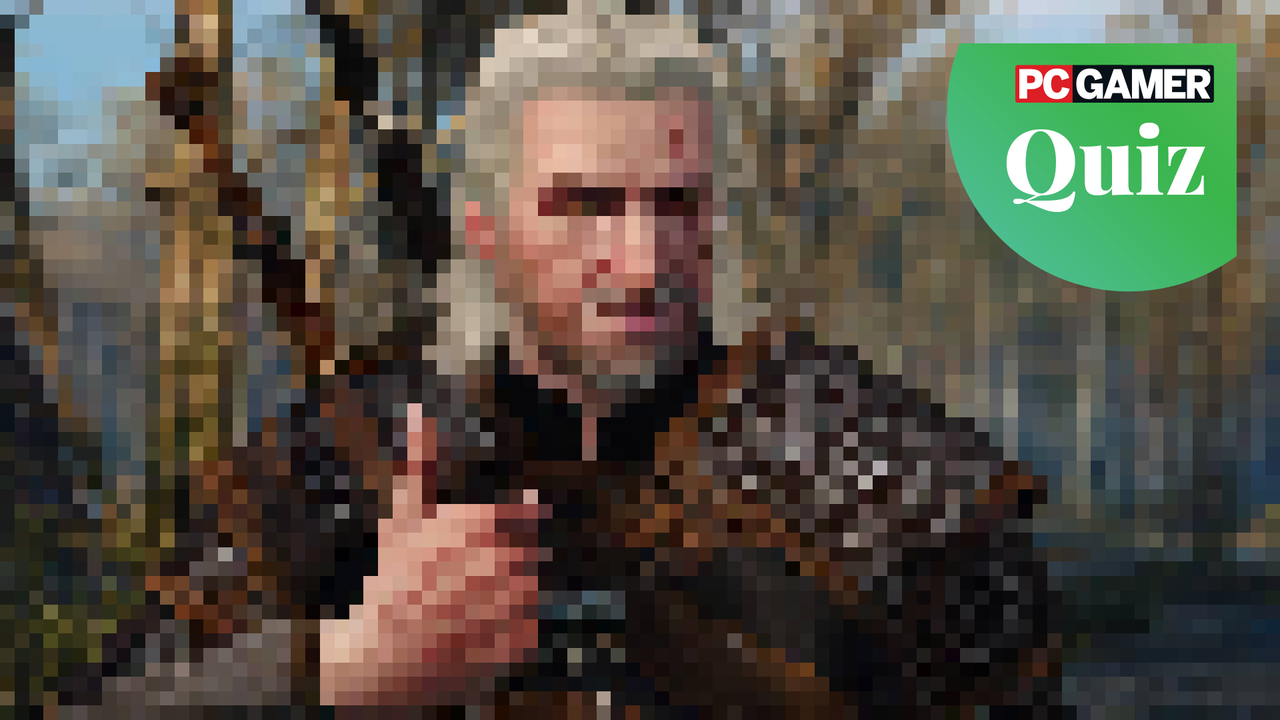

Introduction & Background
In the realm of videogames, pixel art has been a staple of nostalgia and retro charm for decades. From the early days of the NES and SNES to the modern era of indie games and remakes, pixel art has continued to evolve and adapt, captivating the hearts of gamers and designers alike. Recently, I've been on a mission to pixelate some of the most iconic videogame characters, and I'm excited to share this latest creation with you. But before we dive into the fun, let's take a step back and explore the history and impact of pixel art on the gaming industry.
The origins of pixel art date back to the 1970s, when computer graphics were first being developed. As games became more visually complex, designers began experimenting with pixel-based graphics to create unique and stylized visuals. The early days of pixel art were marked by its limitations, such as the low resolution and color depth of the screens. However, these limitations actually became some of the defining features of the style, giving pixel art its distinctive charm and character.
One of the most significant factors that contributed to the rise of pixel art was the success of the NES and SNES consoles in the 1980s and 1990s. These consoles popularized 8-bit and 16-bit graphics, which became the hallmark of the era. Game designers like Nintendo's Gunpei Yokoi and Capcom's Takashi Nishiyama pushed the boundaries of pixel art, creating iconic characters and worlds that captivated audiences worldwide. The resulting pixel art movement gave birth to beloved franchises like Super Mario Bros., The Legend of Zelda, and Street Fighter, which continue to influence the gaming industry to this day.
Fast-forward to the modern era, and we see that pixel art has continued to evolve, incorporating new techniques and technologies. The rise of indie game development and digital distribution platforms like Steam and the App Store has given rise to a thriving community of pixel art creators, who are pushing the boundaries of what is possible with digital art. The result is a vibrant and diverse scene that spans a range of genres, from platformers and adventure games to puzzle games and action titles.
Deep Global Analysis
From a global perspective, the pixel art phenomenon has had a significant impact on popular culture and the gaming industry as a whole. In many regions, pixel art has become an integral part of gaming heritage and cultural identity. For instance, in Japan, the pixel art movement is closely tied to the country's rich history of video game development and innovation. In the West, pixel art has been a staple of indie game development and has influenced a wide range of genres and styles.
As we examine the global landscape of gaming, it becomes clear that pixel art has played a significant role in shaping the industry's creative direction. The nostalgia factor, which is closely tied to pixel art, has driven the resurgence of retro-style games and remakes. This phenomenon has not only led to a renewed interest in classic titles but also spawned new franchises and intellectual properties that have captured the hearts of gamers worldwide.
Moreover, pixel art has contributed to the diversification of gaming genres and styles. From the 8-bit aesthetics of Shigeru Miyamoto's creations to the vibrant, hand-drawn look of indie games like Braid and Fez, pixel art has provided a unique visual identity for games across various platforms. This diversity has helped to attract new audiences and keep the gaming industry vibrant and dynamic.
As the gaming industry continues to evolve, it is clear that pixel art will remain a significant influence on the creative landscape. With the rise of virtual reality and augmented reality technologies, the possibilities for pixel art are endless. We can expect to see innovative applications of pixel art in new mediums and genres, pushing the boundaries of what is possible in digital art and storytelling.
In conclusion, the pixel art phenomenon has had a profound impact on the gaming industry and popular culture as a whole. Its influence can be seen in the resurgence of retro-style games, the diversification of genres, and the rise of indie game development. As we look to the future, it is clear that pixel art will continue to evolve and adapt, providing a unique visual identity for games across various platforms.


Expert Verdict & Future Projections
As we examine the future of pixel art, it is clear that the genre will continue to grow and evolve. With the increasing popularity of indie game development and digital distribution platforms, pixel art creators have a wider audience than ever before. This will lead to a proliferation of new styles and techniques, as well as the creation of innovative games that push the boundaries of digital art and storytelling.
One area where pixel art will continue to shine is in the realm of retro-style games. With the resurgence of classic titles and franchises, pixel art will continue to play a significant role in shaping the creative direction of the industry. We can expect to see a new wave of games that blend traditional pixel art with modern technologies, providing a fresh take on classic gameplay and nostalgia.
Another area where pixel art will make a significant impact is in the realm of virtual reality and augmented reality technologies. With the rise of VR and AR, pixel art creators will have a new canvas to work with, pushing the boundaries of what is possible in digital art and storytelling. We can expect to see innovative applications of pixel art in new mediums and genres, providing a unique visual identity for games across various platforms.
In conclusion, the future of pixel art looks bright and exciting. With the continuing growth of indie game development and digital distribution platforms, pixel art creators will have a wider audience than ever before. We can expect to see a proliferation of new styles and techniques, as well as the creation of innovative games that push the boundaries of digital art and storytelling.


📝 Professional Summary (Roman Urdu/Hindi)
पिक्सेल आर्ट (Pixel Art) एक ऐसी कला है जो गेमिंग उद्योग को एक नई दिशा में ले जा रही है। इसके आरंभिक दिनों से ही,
⚖️ Credits, DMCA & Fair Use Notice
- Primary Source Concept: pcgamer.com (Used strictly for reporting inspiration).
- Visual Media: Generated via AI & referenced from pcgamer.com.
- Authorship: The textual content is 100% uniquely drafted by PixelRadar AI Analytics and human experts.
Fair Use Policy: This article contains uniquely generated analysis for educational, forecasting, and news reporting purposes under the Fair Use doctrine. No copyright infringement is intended. If you are the rightful owner of any visual or conceptual material and wish for it to be credited differently or removed, please contact us. We will honor take-down requests within 24-48 hours.
📥 Join For Free Content & Communities
🚀 Join The Nextgen 🎮 Join BM Bromania ⚡ Join MR Jaguar 🔥 Join MRx Channel#Gaming&Esports #GlobalNews #WorldUpdates #Trending #GlobalNews #MarketUpdate