Nintendos Takashi Tezuka Reinvented The Legend Of Zelda Without Overthinking It
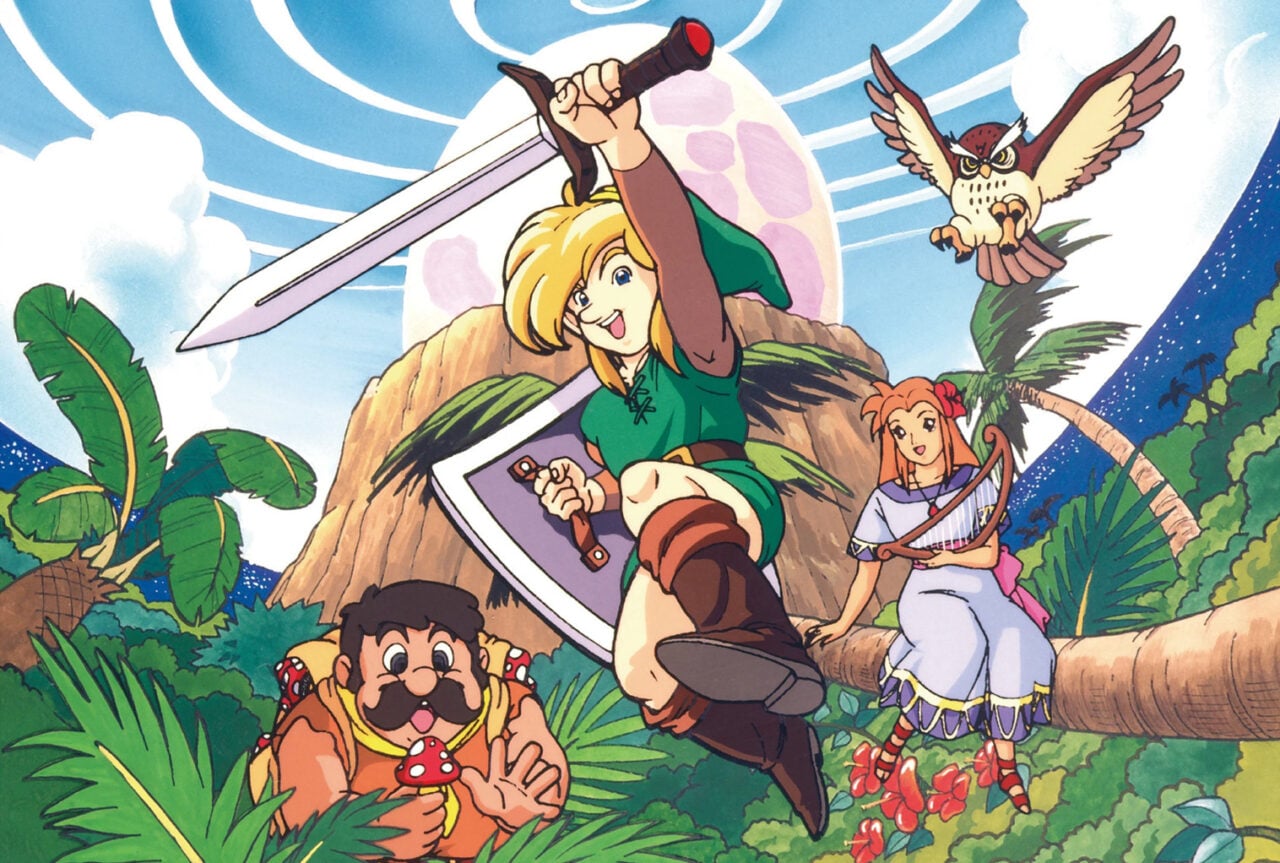
Nintendo's Takashi Tezuka Reinvented The Legend Of Zelda Without Overthinking It
When it comes to iconic game series, few can compare to the beloved Legend of Zelda. Created by Nintendo, the franchise has been a staple of gaming for decades, captivating audiences with its rich stories, memorable characters, and innovative gameplay mechanics. At the heart of this success lies the creative genius of Takashi Tezuka, the renowned game designer and director who has been instrumental in shaping the series.
Tezuka-san, as he is affectionately known, is a man of humble beginnings. Born in 1960 in Osaka, Japan, he began his career at Nintendo in 1984, working as a designer on various arcade titles. However, it was his involvement with the Legend of Zelda series that would cement his status as a gaming legend.
The Early Years: A Focus on Innovation
Tezuka's first major contribution to the Legend of Zelda series was the development of A Link to the Past, released in 1991 for the Super Nintendo Entertainment System (SNES). This game not only revolutionized the series but also set a new standard for action-adventure games as a whole.
One of the key factors that contributed to the game's success was its innovative use of parallel worlds. By allowing players to travel between two-dimensional and three-dimensional realms, Tezuka-san created a sense of depth and complexity that was unprecedented at the time.
This approach not only added a new layer of challenge to the game but also allowed for the introduction of memorable characters, such as Agahnim and Ganon, who would become iconic figures in the series.
The Ocarina of Time: A Masterclass in Game Design
Tezuka-san's next major contribution to the series was The Legend of Zelda: Ocarina of Time, released in 1998 for the Nintendo 64. This game is widely regarded as one of the greatest games of all time, and its impact on the industry cannot be overstated.
One of the key innovations of Ocarina of Time was its use of 3D gameplay. By introducing a fully immersive 3D world, Tezuka-san created a sense of freedom and exploration that was unparalleled at the time.
The game's Z-targeting system, which allowed players to lock onto enemies and allies, was a masterstroke of game design. This feature not only streamlined combat but also added a new layer of depth to the game's story and characters.
The Ocarina of Time is also notable for its engaging story and memorable characters. The game's protagonist, Link, is one of the most iconic characters in gaming history, and his interactions with the game's other characters, such as Navi and Zelda, are both memorable and endearing.
A Link Between Worlds: A Return to Form
Tezuka-san's most recent contribution to the series was The Legend of Zelda: A Link Between Worlds, released in 2013 for the Nintendo 3DS. This game is a loving tribute to the classic titles of the series, and its innovative gameplay mechanics are a testament to Tezuka-san's enduring legacy.
One of the key features of A Link Between Worlds is its use of touch controls. By introducing a touch-based interface, Tezuka-san created a sense of fluidity and ease of use that was previously unimaginable on a handheld console.
The game's painting mechanic, which allows players to draw and manipulate objects in the game world, is a masterclass in game design. By introducing a new layer of creativity and problem-solving, Tezuka-san added a new level of depth to the game that was previously unmatched in the series.
A Link Between Worlds is also notable for its engaging story and memorable characters. The game's protagonist, Link, is once again the embodiment of heroism and courage, and his interactions with the game's other characters, such as Princess Zelda and Ravio, are both memorable and endearing.
Conclusion: A Lasting Legacy
Takashi Tezuka is a true gaming legend, and his contributions to the Legend of Zelda series are a testament to his enduring legacy. Through his innovative game design, memorable characters, and engaging stories, Tezuka-san has created a series that will be remembered for generations to come.
As the gaming industry continues to evolve and change, one thing remains constant: the impact of Tezuka-san's work on the Legend of Zelda series. His influence can be seen in countless other games, from the action-adventure titles of the Assassin's Creed series to the puzzle games of the Professor Layton series.
As a final note, it's worth mentioning that Tezuka-san's approach to game design is often described as "unthinking" or "instinctual." He has stated in interviews that he often focuses on creating a game that is fun and engaging, rather than trying to push the boundaries of what is possible.
This approach may seem paradoxical, given the complexity and innovation of his games. However, it's clear that Tezuka-san's unthinking approach is actually a key factor in his success. By focusing on the core elements of game design, he has been able to create a series that is both timeless and innovative.
In conclusion, Takashi Tezuka is a true gaming legend, and his contributions to the Legend of Zelda series are a testament to his enduring legacy. Through his innovative game design, memorable characters, and engaging stories, Tezuka-san has created a series that will be remembered for generations to come.
📥 Download Files & Join Our Communities
🚀 Join The Nextgen 🎮 Join BM Bromania ⚡ Join MR Jaguar 🔥 Join MRx ChannelDisclaimer: PixelRadar News provides content for educational purposes only.
⚖️ Credits, DMCA & Fair Use Notice
- Visual Media: Sourced from respective global news agencies or generated via AI.
- Authorship: The textual content is uniquely drafted by PixelRadar AI Analytics.
Fair Use Policy: This article contains uniquely generated analysis for educational and news reporting purposes under the Fair Use doctrine. No copyright infringement is intended. If you are the rightful owner of any visual material and wish for it to be removed, please contact us. We will honor take-down requests within 24-48 hours.