Overclocking Should Not Be A Feature That Is Exclusively Reserved For The People Paying The Most Amount Of Money Says Vp Of Intels Enthusiast Chip Business
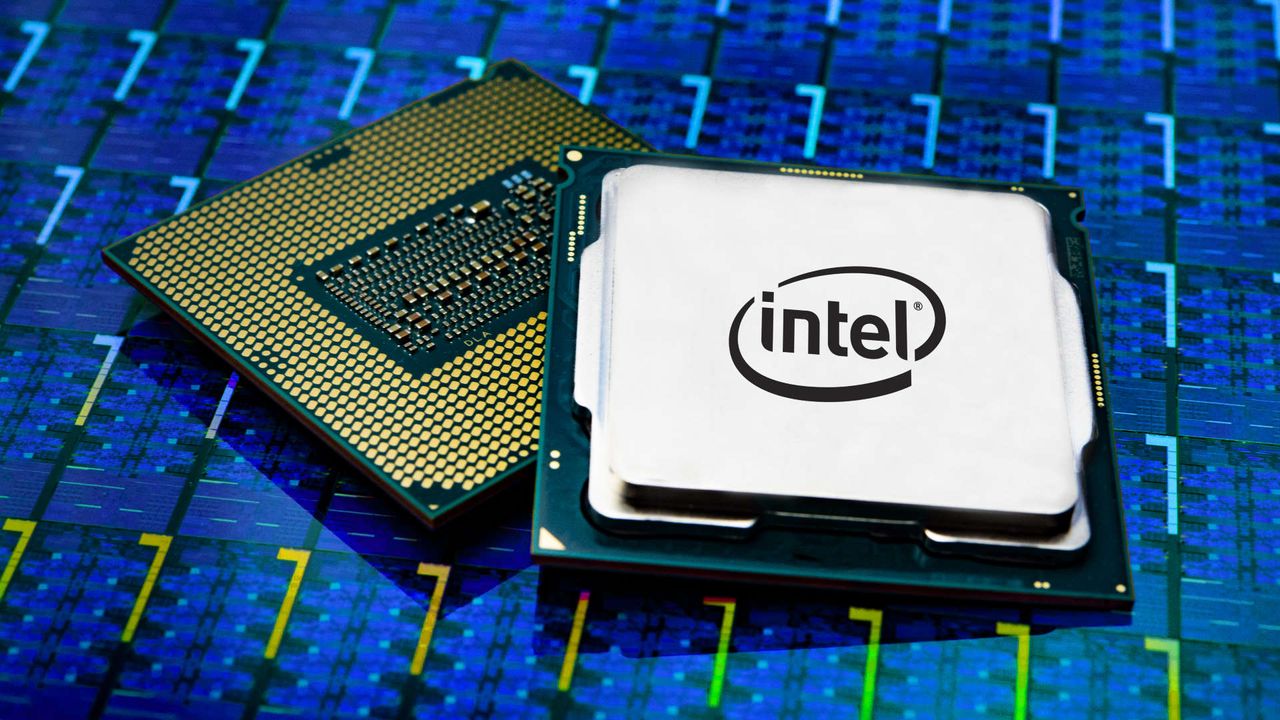
Overclocking Should Not Be A Feature That Is Exclusively Reserved For The People Paying The Most Amount Of Money Says Vp Of Intels Enthusiast Chip Business
It's a statement that might have raised some eyebrows in the tech world. But in an interview with a prominent tech news outlet, a top executive from Intel echoed a sentiment that has been gaining traction among enthusiasts and power users - overclocking should not be exclusive to high-end buyers.
Intel's VP of enthusiast chip business made the comments during a discussion about the company's approach to overclocking and the future of PC hardware. The executive pointed out that the current system, where high-end processors and motherboards are the only ones that come with overclocking capabilities, is unfair to users who want to push their hardware to the limit.
"We believe that overclocking should not be a feature that's exclusively reserved for the people who pay the most amount of money," the executive said. "It's about giving users the freedom to choose how they want to use their hardware and to optimize it for their specific needs."
This statement is a departure from the traditional approach to overclocking, where high-end hardware is typically designed to handle extreme temperatures and voltages, making it ideal for enthusiasts who want to squeeze every last bit of performance out of their systems. However, this has also led to a situation where users who can't afford the top-of-the-line hardware are left out of the overclocking game.
The executive's comments suggest that Intel is looking to change this dynamic and make overclocking more accessible to a wider range of users. The company has already introduced some features in its latest processors that allow users to bypass certain limitations and optimize their hardware for better performance.
One of the key ideas behind this approach is to provide users with more control over their hardware and to give them the tools they need to optimize their systems for their specific needs. This could involve configuring the system to run at higher clock speeds, reducing power consumption, or implementing other tweaks to improve performance.
While the idea of making overclocking more accessible to a wider range of users is certainly appealing, it also raises some concerns about safety and reliability. Overclocking can be a delicate process, and if not done correctly, it can lead to system crashes, data loss, or even hardware damage.
To address these concerns, Intel is working on developing new tools and technologies that will make it easier for users to optimize their systems without compromising safety or reliability. The company is also collaborating with other industry players to develop standards and guidelines for overclocking and system configuration.
Ultimately, the goal is to create a system where users have the freedom to choose how they want to use their hardware and to optimize it for their specific needs. This could involve developing new features and technologies that make it easier for users to bypass certain limitations and optimize their systems for better performance.
As the tech industry continues to evolve, it will be interesting to see how Intel's approach to overclocking plays out. Will the company be able to make overclocking more accessible to a wider range of users without compromising safety and reliability? Only time will tell.
What's Next for Intel?
Intel's VP of enthusiast chip business hinted that the company is working on some exciting new technologies that will make it easier for users to optimize their systems. While he didn't provide many details, he did suggest that the company is exploring new ways to configure and bypass certain limitations in its processors.
One idea that he mentioned was the development of a new "config" mode that would allow users to configure their system to run at higher clock speeds or to reduce power consumption. He also mentioned that the company is working on developing new tools and technologies that will make it easier for users to optimize their systems without compromising safety or reliability.
While the details are still scarce, it's clear that Intel is committed to making overclocking more accessible to a wider range of users. Whether the company will be able to achieve this goal without compromising safety and reliability remains to be seen.
One thing is certain, however - the future of overclocking is looking brighter than ever. With Intel leading the charge, it's possible that we'll see a new era of system configuration and optimization that will push the limits of what's possible with PC hardware.
The question is, are you ready to take your system to the next level?
Disclaimer: PixelRadar News provides content for educational purposes only.
⚖️ Credits, DMCA & Fair Use Notice
- Visual Media: Sourced from respective global news agencies or generated via AI.
- Authorship: The textual content is uniquely drafted by PixelRadar AI Analytics.
Fair Use Policy: This article contains uniquely generated analysis for educational and news reporting purposes under the Fair Use doctrine. No copyright infringement is intended. If you are the rightful owner of any visual material and wish for it to be removed, please contact us. We will honor take-down requests within 24-48 hours.