Nvidias Vp Of Deep Learning Says Ai Workers Are Already Far Beyond The Costs Of The Employees
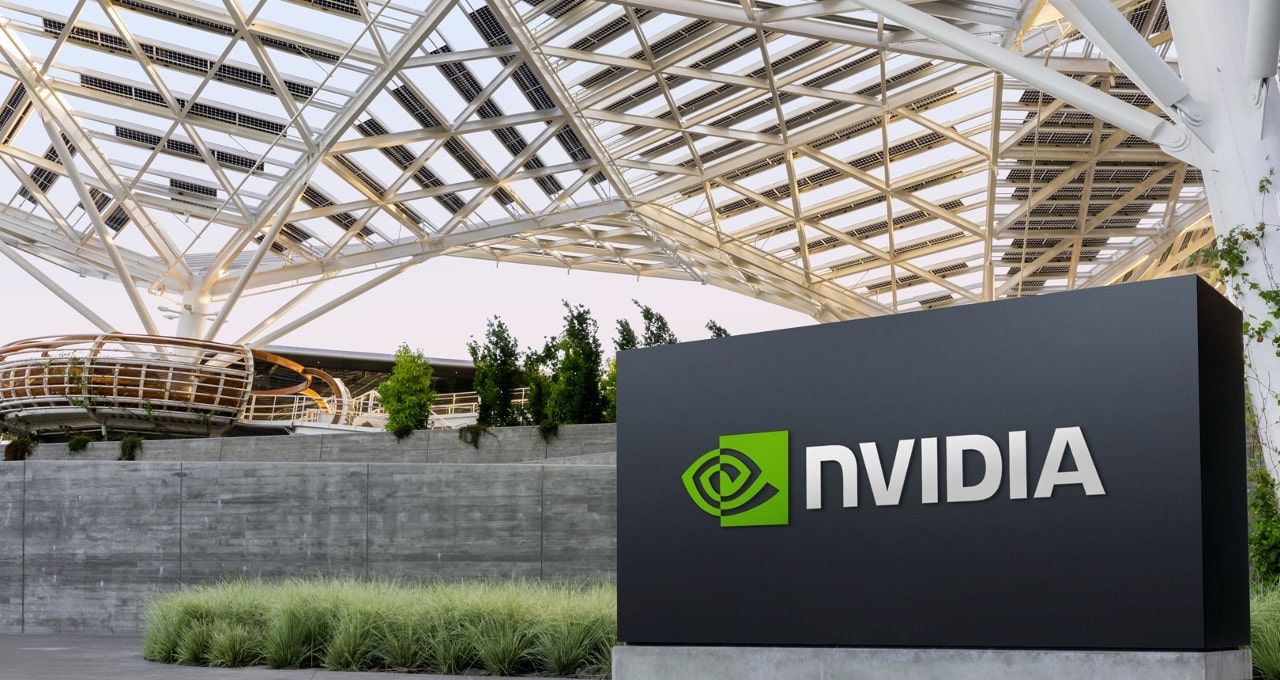
Nvidia's VP of Deep Learning Says AI Workers Are Already Far Beyond the Costs of Employees
A recent report from the global news has shed light on an interesting discussion around the costs of employing AI workers compared to their human counterparts. Nvidia's VP of Deep Learning, Bill Dally, recently expressed his views on this topic, stating that AI workers are already far beyond the costs of employees.
Dally's comments sparked a debate among industry experts, with some agreeing with his assessment and others expressing concerns about the implications of relying heavily on AI workers. In this article, we will delve into the context of Dally's statement, explore the potential benefits and drawbacks of relying on AI workers, and discuss the future of the workforce in the age of AI.
The Rise of AI Workers
Artificial intelligence (AI) has revolutionized various industries, from healthcare to finance, by automating tasks and improving efficiency. One of the key drivers behind the growth of AI is the development of deep learning algorithms, which enable machines to learn from data and make decisions autonomously.
Nvidia, a leading provider of AI computing platforms, has been at the forefront of AI innovation. Dally's views on the cost-effectiveness of AI workers are a testament to the company's commitment to harnessing the power of AI to drive business growth.
The Cost of AI Workers
A key aspect of Dally's statement is the idea that AI workers are already far beyond the costs of employees. In other words, the cost of employing AI workers is negligible compared to the cost of hiring and training human employees.
This is because AI workers do not require benefits, salaries, or training, which are significant expenses for companies. Additionally, AI workers can operate 24/7, without breaks or downtime, making them more efficient than human employees.
However, it's essential to note that the cost-effectiveness of AI workers depends on various factors, such as the complexity of the tasks, the quality of the training data, and the maintenance costs of the AI systems.
The Benefits of AI Workers
There are several benefits of relying on AI workers, including:
- Increased efficiency: AI workers can perform tasks faster and more accurately than human employees.
- Improved productivity: AI workers can work around the clock, without breaks or downtime, making them more productive than human employees.
- Enhanced accuracy: AI workers can perform tasks with a high degree of accuracy, reducing the risk of human error.
- Scalability: AI workers can be easily scaled up or down to meet changing business needs.
The Drawbacks of AI Workers
While AI workers offer several benefits, there are also some drawbacks to consider, including:
- Job displacement: The increasing use of AI workers may displace human employees, particularly in sectors where tasks are repetitive or can be easily automated.
- Limited creativity: AI workers are programmed to perform specific tasks and may lack the creativity and innovation of human employees.
- Dependence on data quality: The accuracy of AI workers depends on the quality of the training data, making them vulnerable to biases and errors.
- Security risks: AI systems can be vulnerable to cyber attacks and data breaches, which can compromise sensitive information.
The Future of the Workforce
The increasing use of AI workers is transforming the workforce, with many companies relying heavily on these systems to drive business growth. While AI workers offer several benefits, including increased efficiency and improved productivity, there are also some drawbacks to consider, such as job displacement and limited creativity.
As the workforce continues to evolve, it's essential for companies to strike a balance between human employees and AI workers. By understanding the benefits and drawbacks of each, companies can make informed decisions about their workforce strategy and ensure that they remain competitive in the age of AI.
Conclusion
Nvidia's VP of Deep Learning, Bill Dally, has sparked a debate around the cost-effectiveness of AI workers compared to their human counterparts. While AI workers offer several benefits, including increased efficiency and improved productivity, there are also some drawbacks to consider, such as job displacement and limited creativity.
As the workforce continues to evolve, it's essential for companies to strike a balance between human employees and AI workers. By understanding the benefits and drawbacks of each, companies can make informed decisions about their workforce strategy and ensure that they remain competitive in the age of AI.
📥 Download Files & Join Our Communities
🚀 Join The Nextgen 🎮 Join BM Bromania ⚡ Join MR Jaguar 🔥 Join MRx ChannelDisclaimer: PixelRadar News provides content for educational purposes only.
⚖️ Credits, DMCA & Fair Use Notice
- Visual Media: Sourced from respective global news agencies or generated via AI.
- Authorship: The textual content is uniquely drafted by PixelRadar AI Analytics.
Fair Use Policy: This article contains uniquely generated analysis for educational and news reporting purposes under the Fair Use doctrine. No copyright infringement is intended. If you are the rightful owner of any visual material and wish for it to be removed, please contact us. We will honor take-down requests within 24-48 hours.